Behind the Curtain: What the Governor General's Canadian Leadership Conference Taught Me About Canada
On May 21, I arrived in Québec City to begin the Governor General's Canadian Leadership Conference. Like many participants before me, I had heard the stories from alumni. They all said the same thing: the experience would be intense, transformational, exhausting, and unlike anything else I had done before. They encouraged me to pace myself, listen carefully, and make sure I found time to rest. I listened, but if I'm being honest, I didn't fully believe them. Looking back now, they were absolutely right.
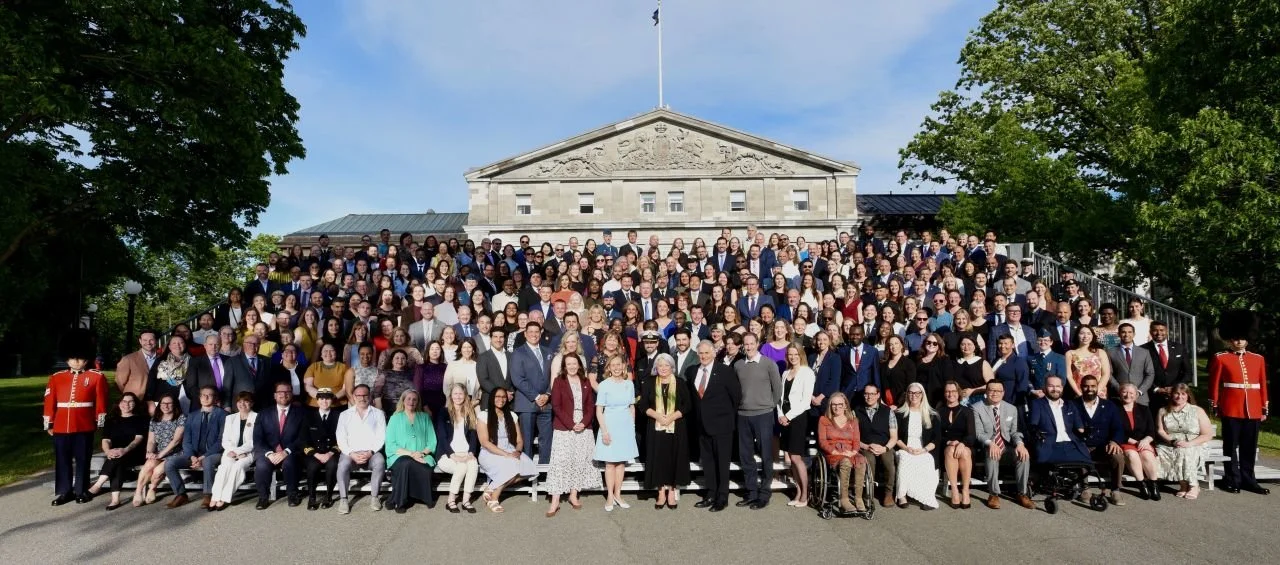
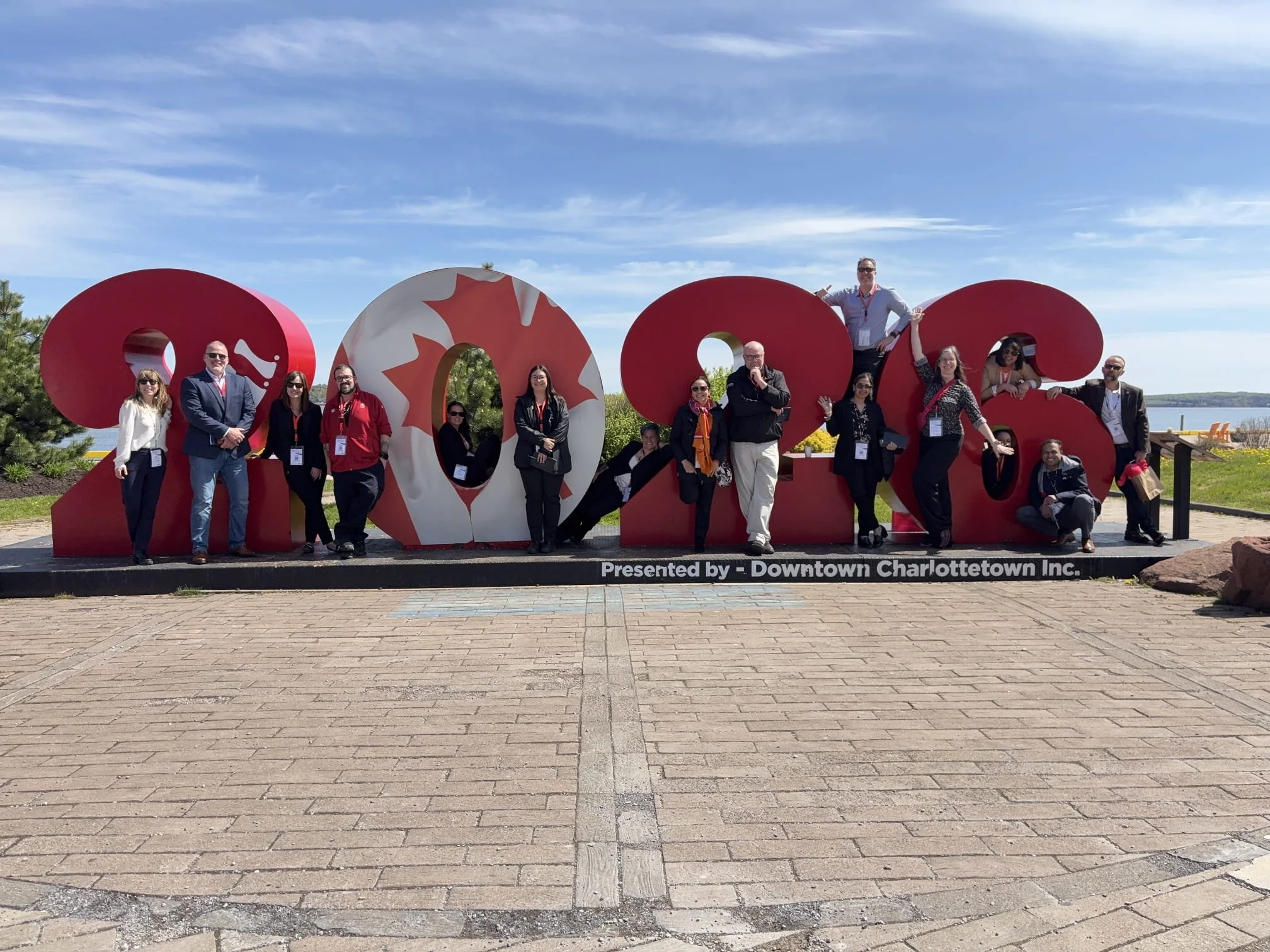
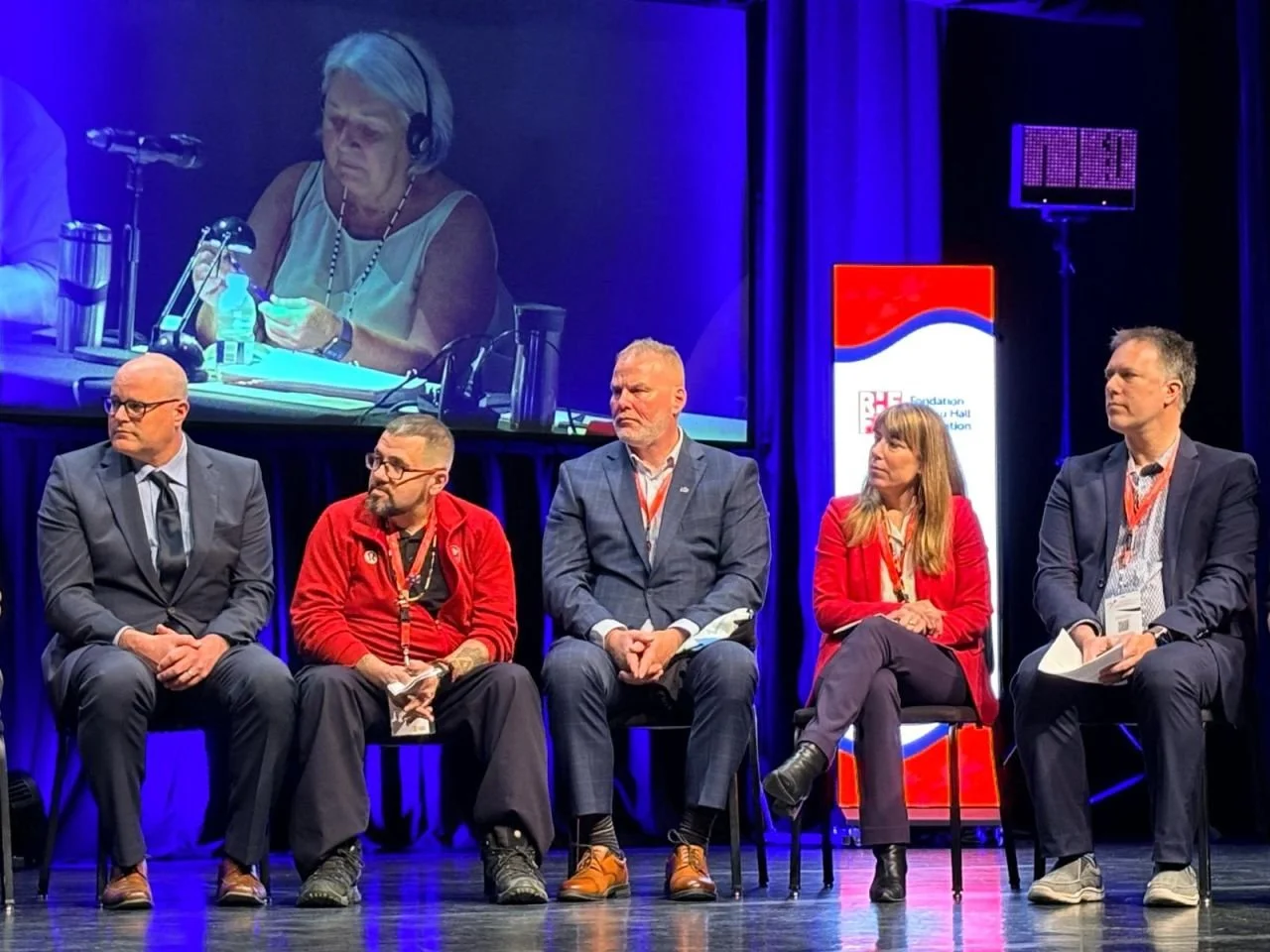
For nearly 45 years, the Governor General's Canadian Leadership Conference has brought together leaders from across Canada to learn about the challenges and opportunities shaping our country. Over the course of several weeks, we were immersed in conversations, site visits, presentations, and discussions that challenged our assumptions and broadened our understanding of Canada. What I thought would be a leadership conference quickly became something much deeper. It was an opportunity to see Canada through dozens of lenses and to better understand both the complexity of our country and the people working every day to improve it.
As part of our study tour, our group met with more than 45 organizations and heard from well over 100 individuals through presentations, panels, site visits, and conversations. We explored issues ranging from economic development, resource industries, Indigenous reconciliation, climate change, transportation, housing, healthcare, food systems, education, innovation, and national sovereignty. The experience felt like being invited behind the curtain. We were given access to conversations and perspectives that most Canadians rarely have the opportunity to see. We examined not only the public-facing stories but also the realities, tensions, successes, and challenges that exist beneath the surface.
Throughout the journey, I was struck by how many of Canada's systems are struggling to adapt to a rapidly changing world. We encountered examples of organizations doing extraordinary work, but we also saw systems that were built for a different time and are now trying to respond to modern challenges. In many cases, the structures that once served Canadians well are being asked to solve problems that did not exist when they were originally created. As someone who has spent much of my career working in education, sustainability, transportation, and community development, this observation resonated deeply with me. The conference reinforced the idea that leadership is not simply about maintaining existing systems but helping people navigate the changes needed to make those systems more responsive, equitable, and effective.
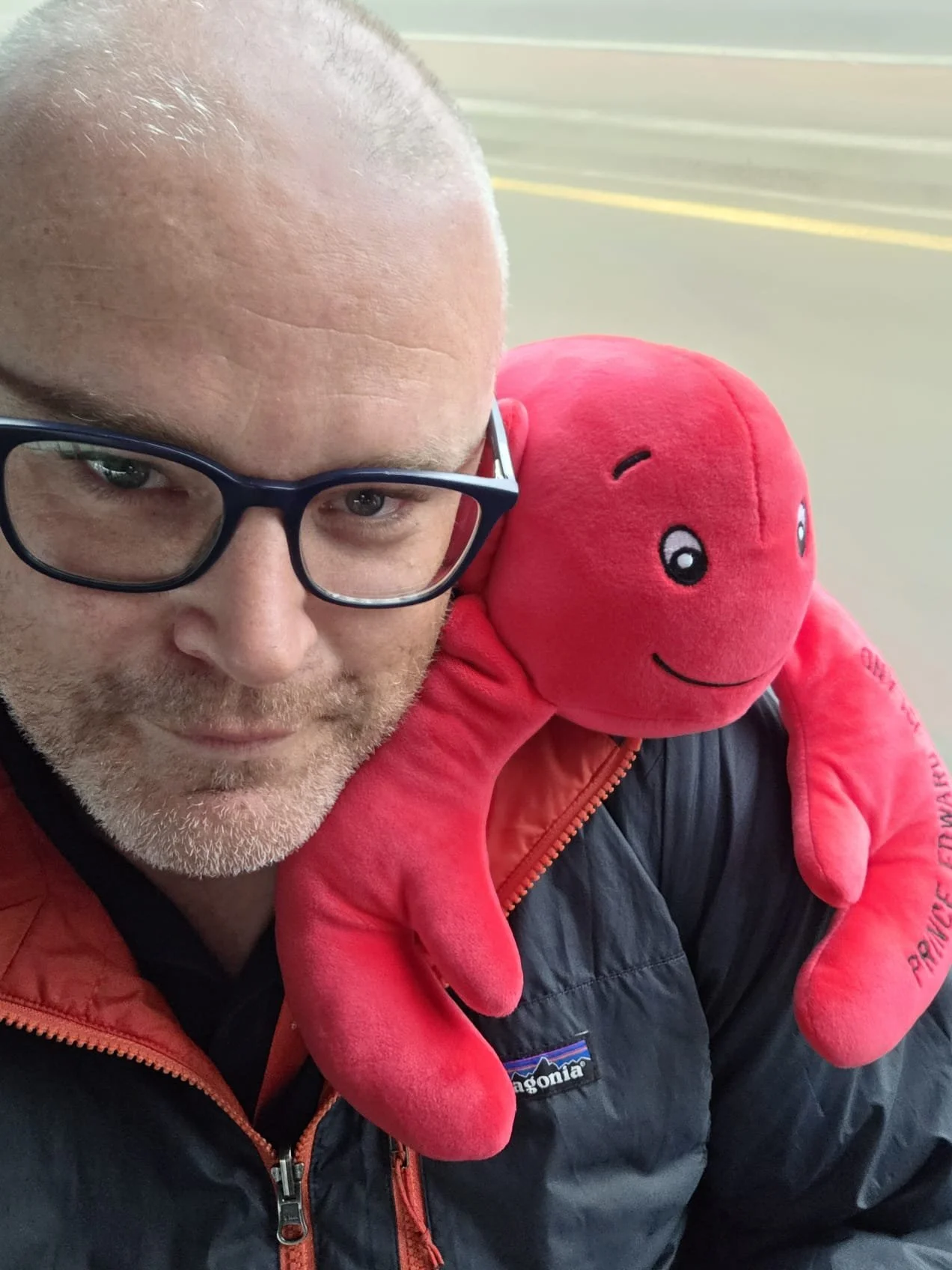
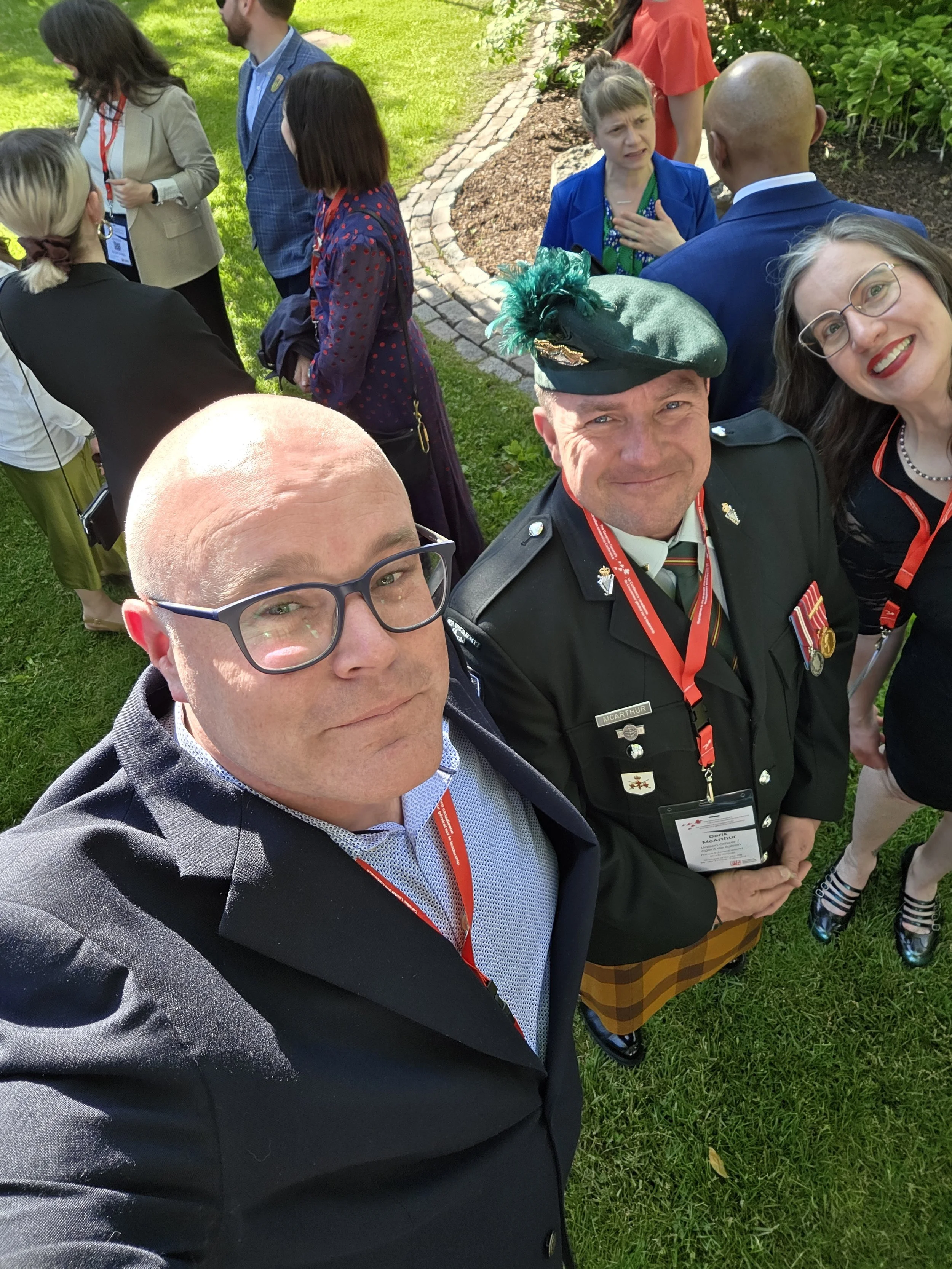
At the same time, what stayed with me most was not the brokenness of our systems but the strength of the people working within them. Across every region and every sector, we met individuals who genuinely cared about their communities and their country. We met people who were building partnerships, creating opportunities, solving problems, and refusing to accept that the status quo was good enough. Whether they were community leaders, Indigenous leaders, public servants, researchers, entrepreneurs, educators, advocates, or volunteers, there was a common thread running through so many of our conversations. They believed in the possibility of a better future and were actively working to create it.
One of the most powerful parts of the conference was learning alongside the other participants. Our study group was intentionally diverse, bringing together people with different backgrounds, industries, experiences, and perspectives. There were many moments when we heard the same presentation yet walked away with completely different interpretations. What seemed obvious to one person appeared entirely different to another. At times, these differences challenged us. Yet they also became one of our greatest strengths. The process forced us to listen more carefully, ask better questions, and recognize that complex problems rarely have simple solutions. It reminded me that leadership is often less about having the right answer and more about creating the conditions for understanding and collaboration.
As the weeks progressed, I found myself developing a deeper appreciation for Canada's complexity. We are a country with a difficult history and significant challenges, but we are also a country filled with resilience, innovation, compassion, and hope. The conversations were not always comfortable, nor should they have been. We examined issues related to reconciliation, equity, economic transformation, and social change. Yet even when discussing some of the most difficult realities facing our country, I consistently encountered people who remained committed to moving forward. That sense of determination and optimism left a lasting impression on me.
When our study tour concluded, we returned to Ottawa with the task of making sense of everything we had seen and heard. It felt almost impossible to distill weeks of learning, hundreds of conversations, and countless perspectives into a concise presentation. Yet through discussion and collaboration, our group identified common themes and key insights. On June 4 and 5, we joined the other study groups from across Canada to present our findings and recommendations. Listening to the presentations from the other groups was one of the highlights of the experience. Although each group had travelled different paths and explored different issues, many of the same themes emerged. We heard about the importance of collaboration, the need for adaptive leadership, the significance of reconciliation, and the importance of building systems capable of meeting the challenges of the future.
Presenting our findings to the Governor General was both humbling and inspiring. It marked the culmination of an experience that challenged me professionally and personally. More importantly, it reinforced my belief that meaningful change is possible when people are willing to listen, learn, and work together.
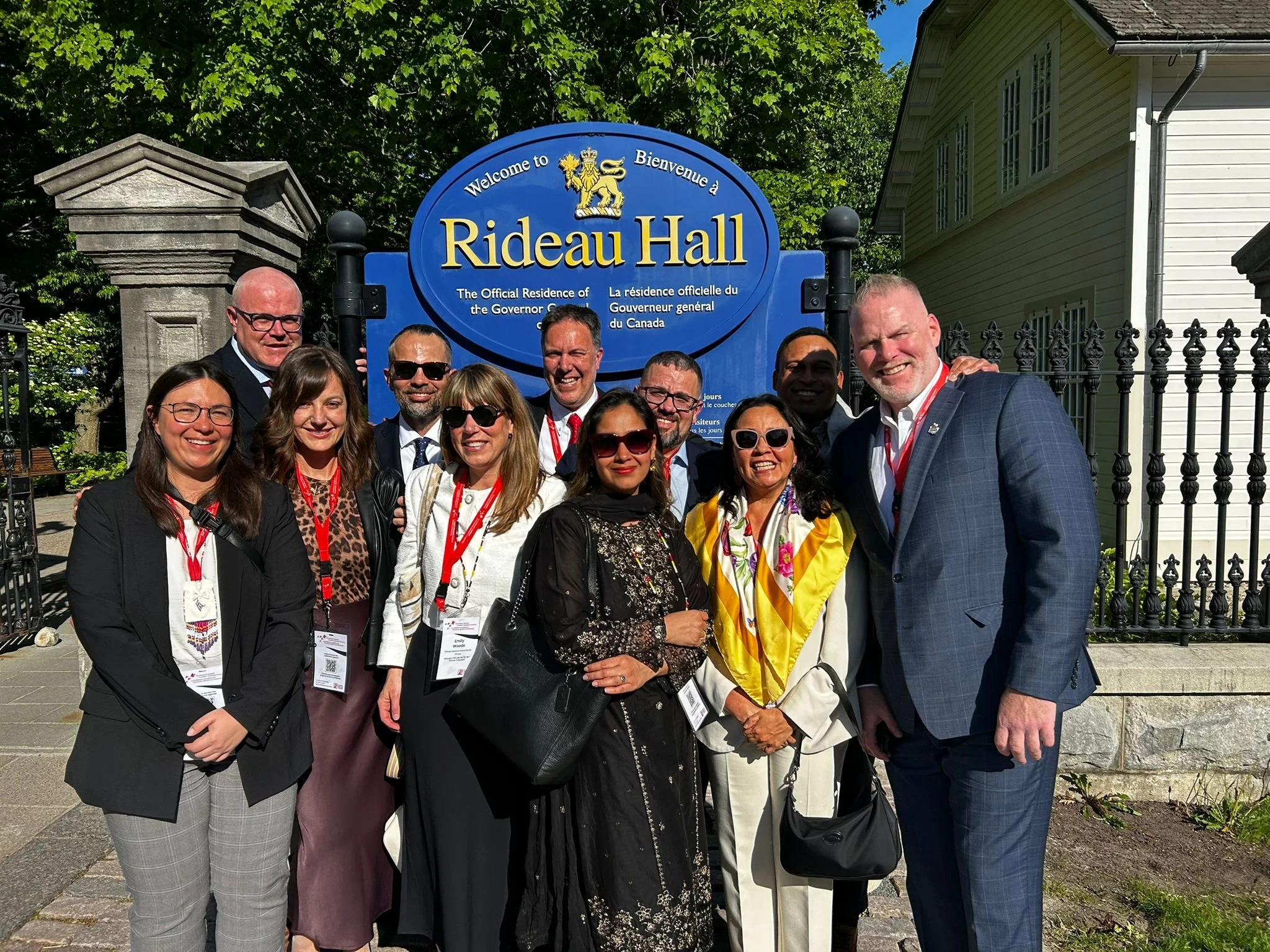
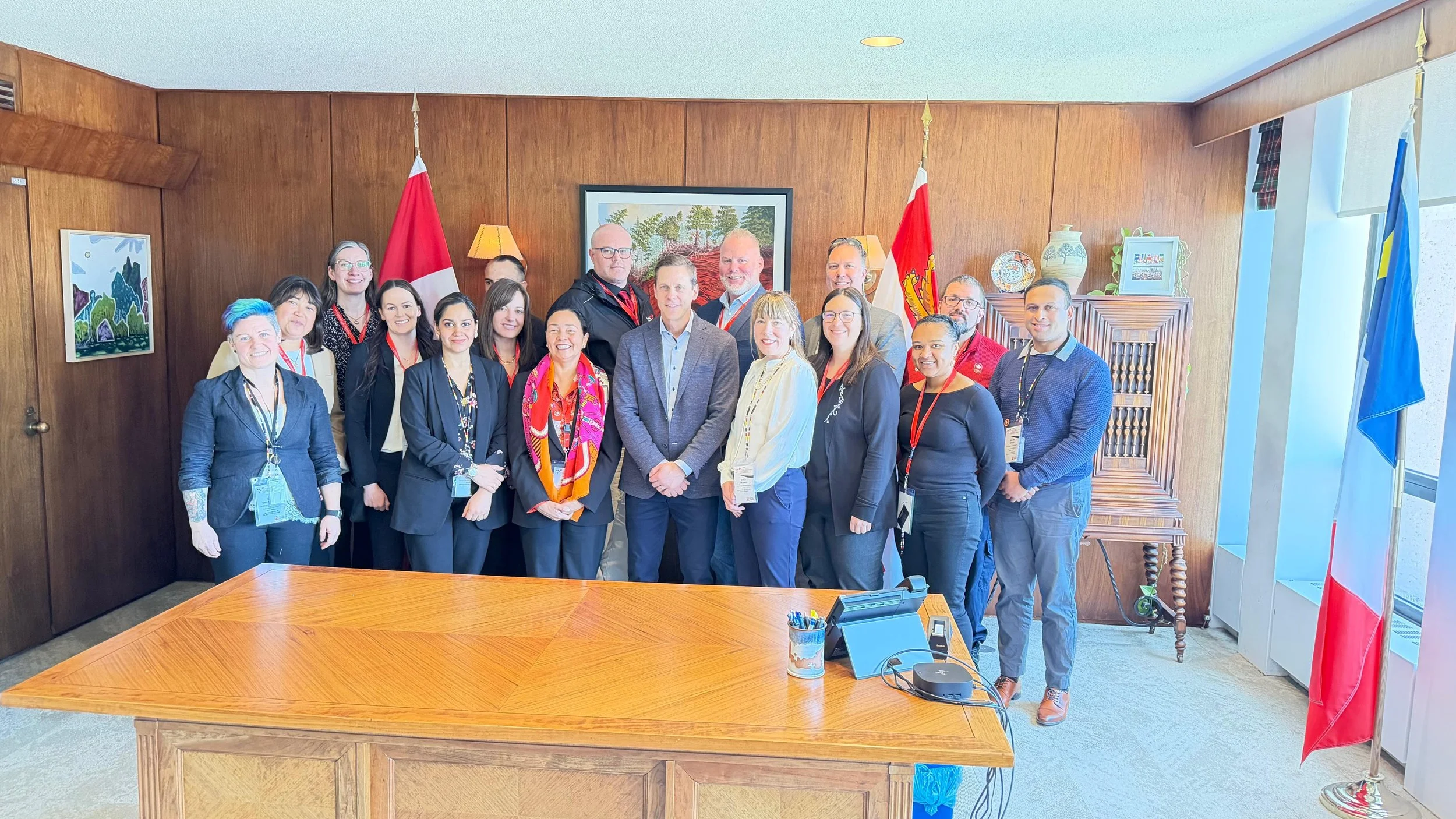
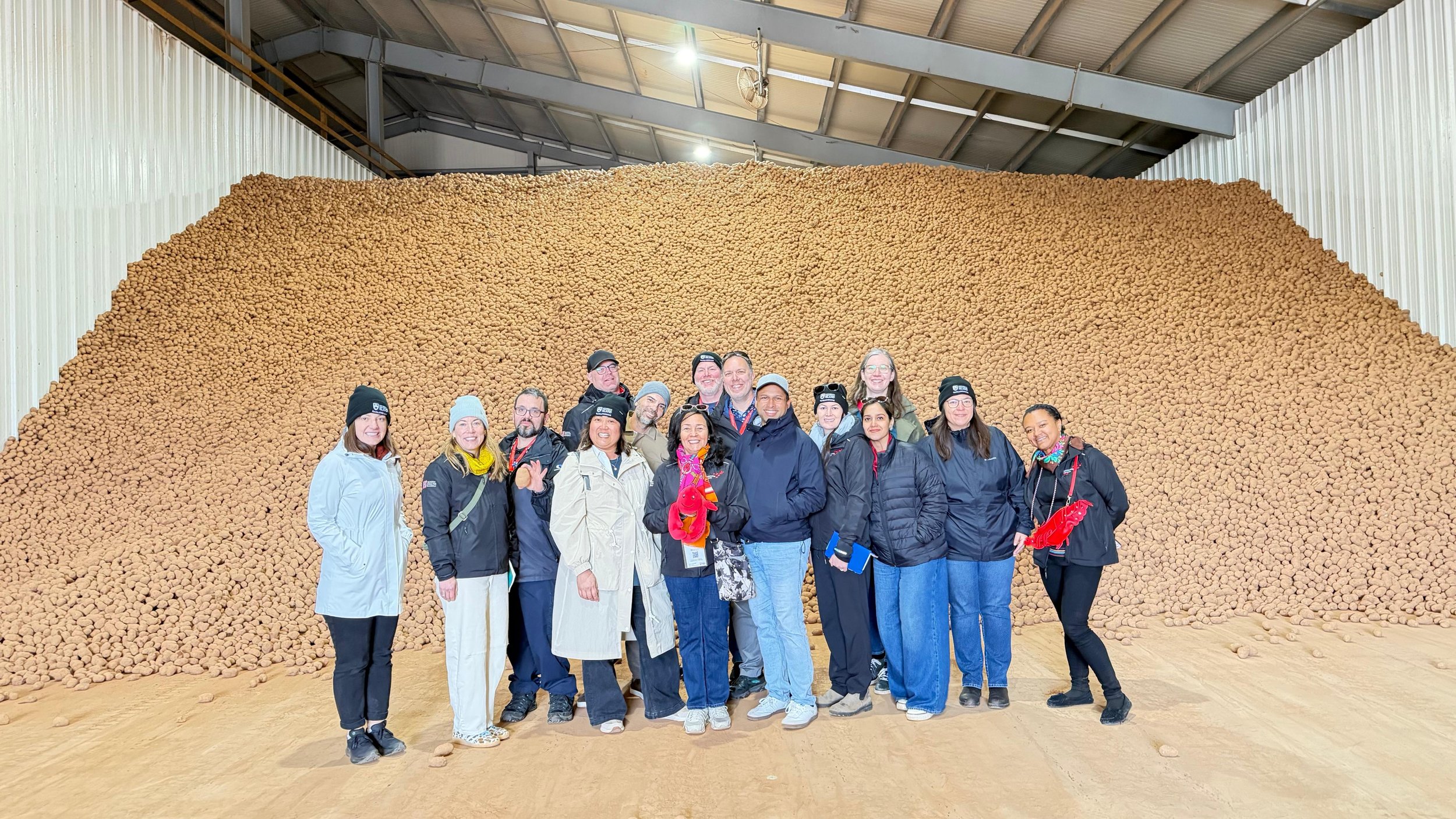
The Governor General's Canadian Leadership Conference did not provide easy answers, nor was it intended to. Instead, it provided something far more valuable: a deeper understanding of Canada and the people who are shaping its future. I returned home with a renewed appreciation for the complexity of our country, a stronger network of leaders from across Canada, and a greater conviction that many of the challenges we face can be addressed through collaboration, courage, and thoughtful leadership.
Canada is not perfect. We have systems that need renewal and challenges that demand action. Yet after spending several weeks with leaders from every corner of this country, I am more optimistic than ever about our future. Behind the curtain, beyond the headlines, and beneath the complexity of our institutions, I found something remarkably hopeful: people who care deeply about their communities and who are committed to building a better Canada. That, more than anything else, is what I will carry forward from this experience.
