Bringing Sustainable Design Thinking into the Classroom
Imagining My Sustainable Community – No. 9 Gardens
Role: Dan Hendry (Limestone District School Board)
Year: 2020
Over several years with the Limestone District School Board, I supported the introduction and delivery of Imagining My Sustainable Community, an educational program developed by No.9: The Culture of Sustainability. The program focuses on sustainable architecture and community design, giving students the opportunity to rethink and redesign the places where they live.
My role centred on program coordination and faculty support, helping bridge the program’s design‑based approach with classroom learning. I worked directly with teachers and the No.9 team to support implementation within schools, ensuring educators had the resources and confidence needed to guide students through the program. Across multiple deliveries, my focus was on making the experience accessible, relevant, and connected to real‑world community contexts.
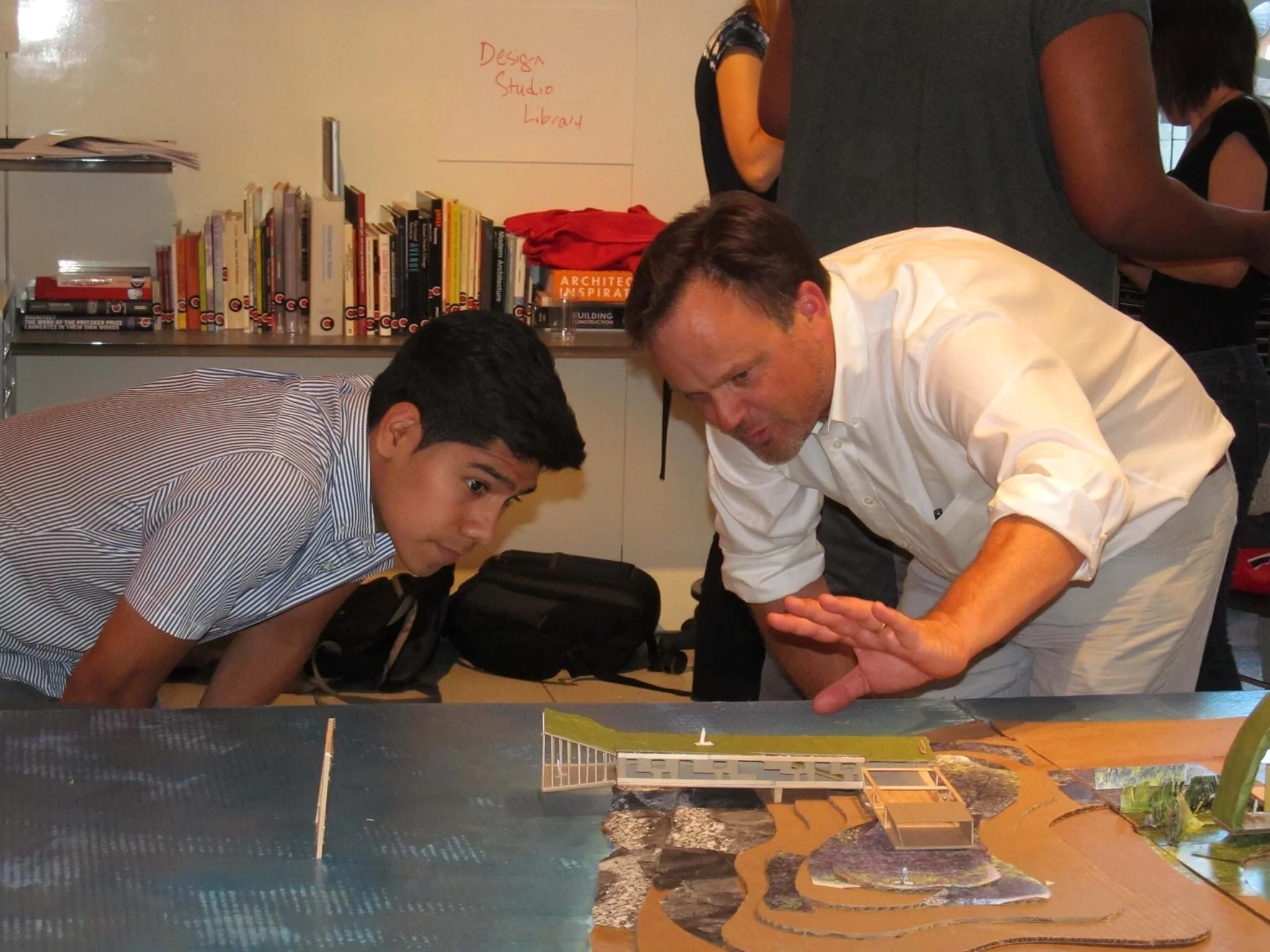
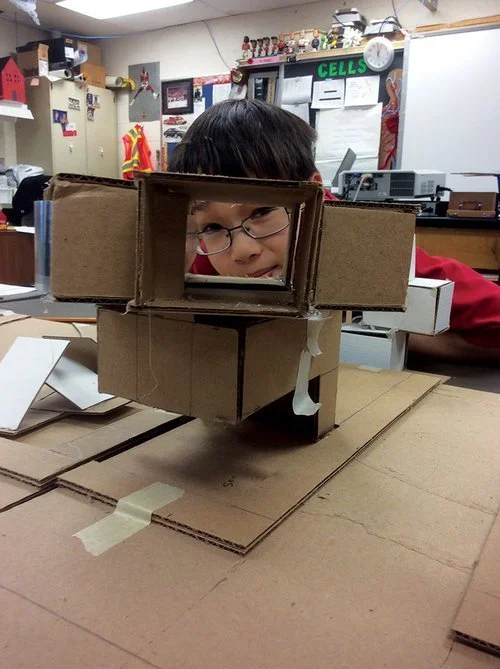
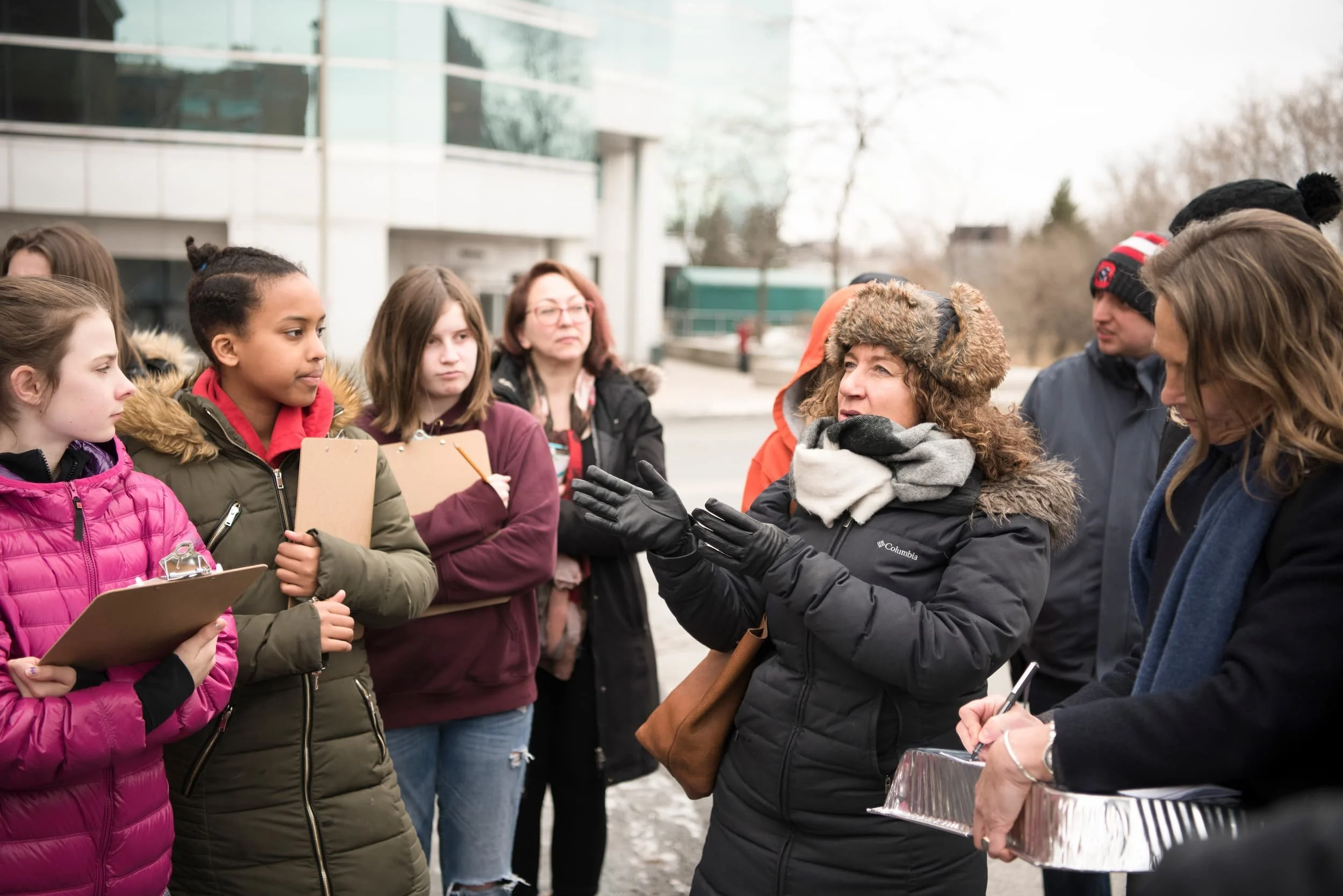
Images Supplied By: IMSC Website
At its core, Imagining My Sustainable Community challenges students to think critically about urban design, sustainability, and civic engagement. Rather than stopping at theory, the program encourages students to envision practical improvements to their own neighbourhoods—an approach that aligns closely with my broader work in youth engagement and community‑based learning.
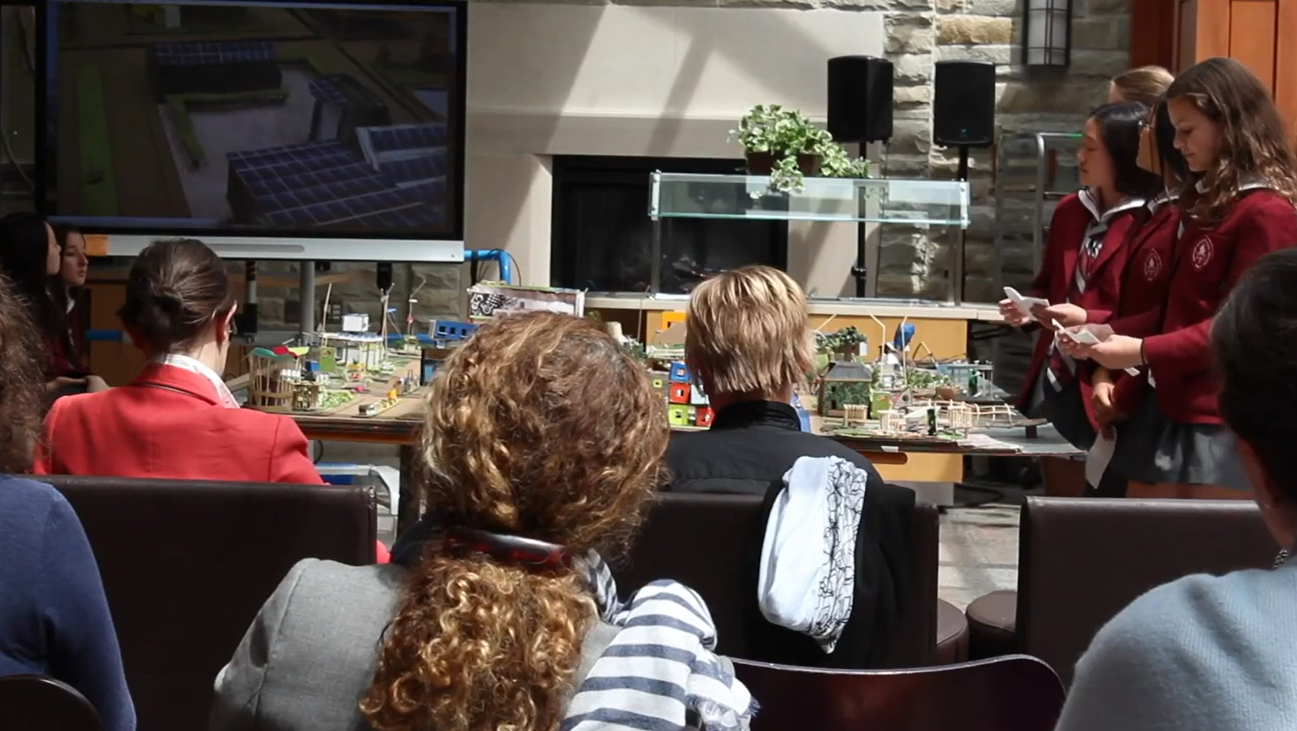
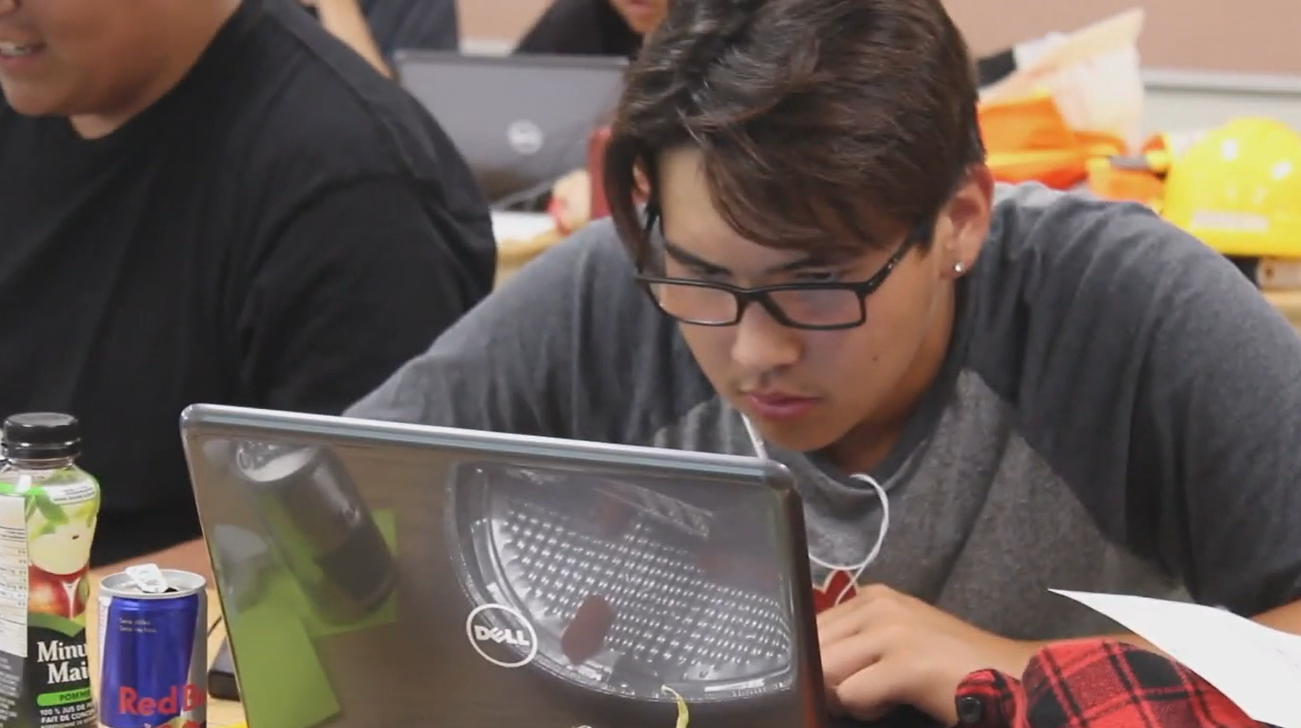
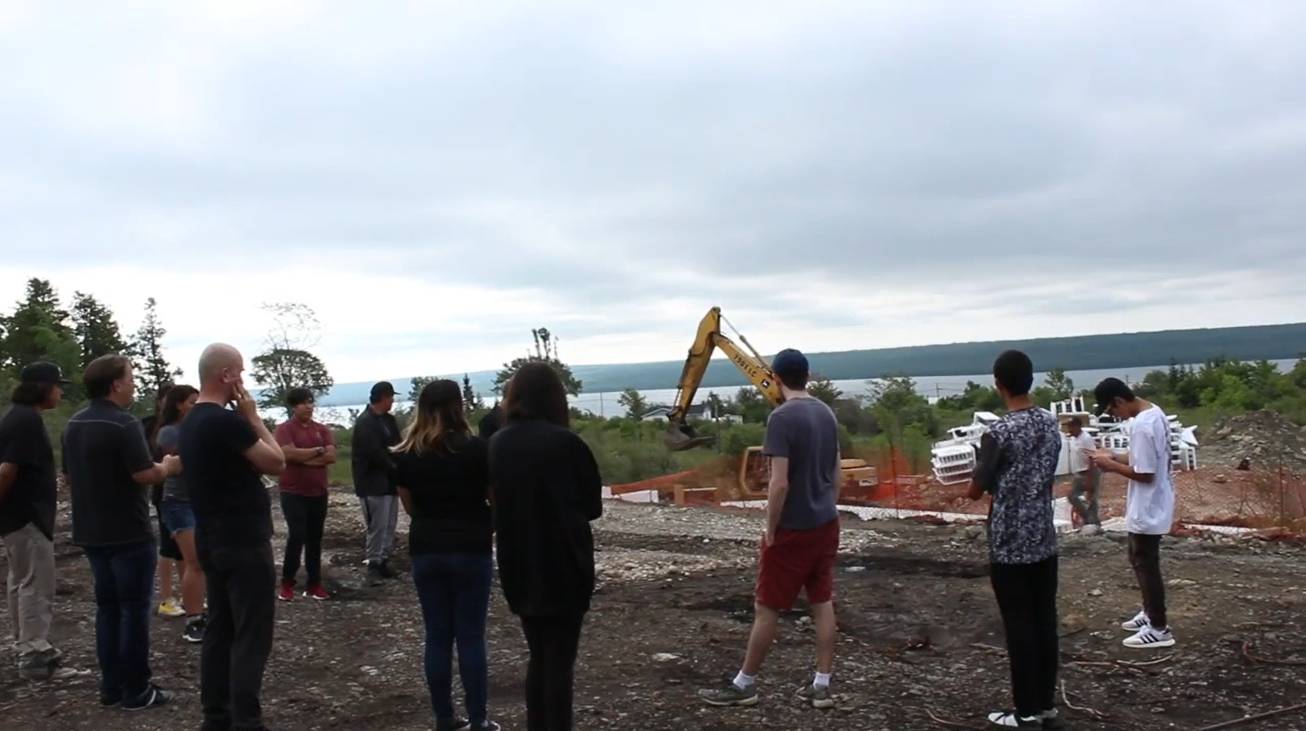
One of the most memorable examples of the program’s impact occurred at Babcock Mills. After completing the program and developing their sustainable community designs, students took the next step by bringing their ideas into the community. I supported the process that allowed students to present their concepts locally and advocate for elements of their designs to be physically produced and implemented. Seeing student ideas move beyond models and into tangible, built outcomes was a powerful demonstration of youth agency in action.
Images Supplied By: IMSC Website
The Imagining My Sustainable Community program reflects a consistent theme across my work: when students are given a voice, practical tools, and meaningful support, they are capable of shaping their environment in thoughtful and lasting ways. By connecting sustainable design education with real community contexts, the program helped students see themselves not just as learners, but as active contributors to the future of their communities.
Related Links & Media: Imagining My Sustainable Community — No.9 The Culture of Sustainability